ReCollection
What remains when a memory begins to fade?
Visitors whisper a fragment of a fading memory. ReCollection listens, completes the sentence, and turns it into a sequence of images—a synthetic recollection shaped by a human voice and a machine's imagination.
In the press / 01
“Memories are in a crisis with biological failures through a steep increase in Alzheimer cases, and the creation of fake memories elaborated by machines.”Neural Magazine · Issue 74, 2023
The work
Reimagine a fading memory through a seven-second whisper.
ReCollection began as a personal reflection: the artist’s grandmother was losing her memory to dementia. It grew into an interactive installation about what remembering becomes when a machine does it for us.
In the installation, visitors whisper a fragment of a fading memory into a microphone. In real time the system listens, completes the sentence, and renders it as a sequence of images: a synthetic memory, assembled from the fragments of many people’s pasts. Conceived in 2022, the work has travelled across countries and gathered thousands of whispers.
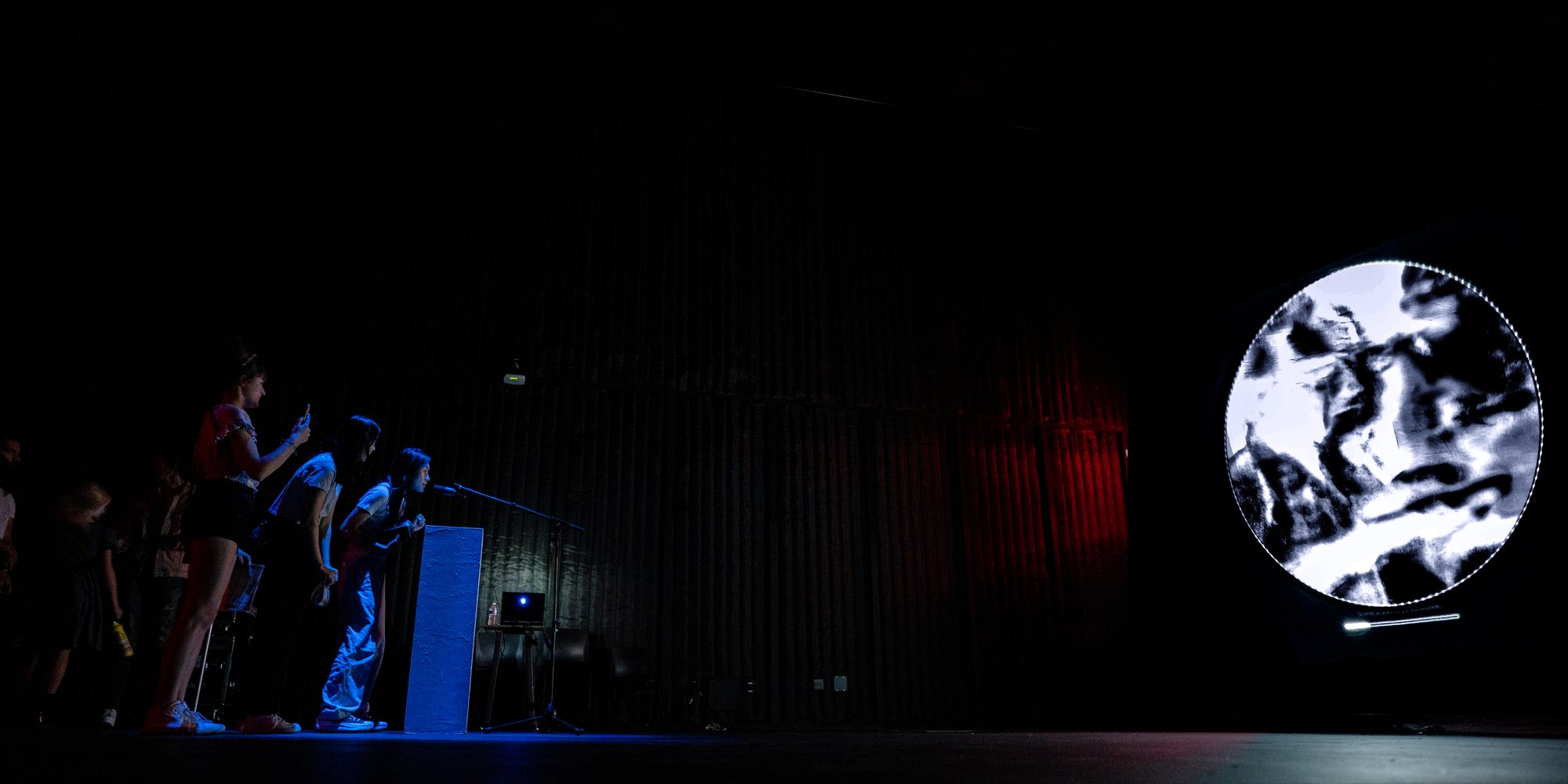
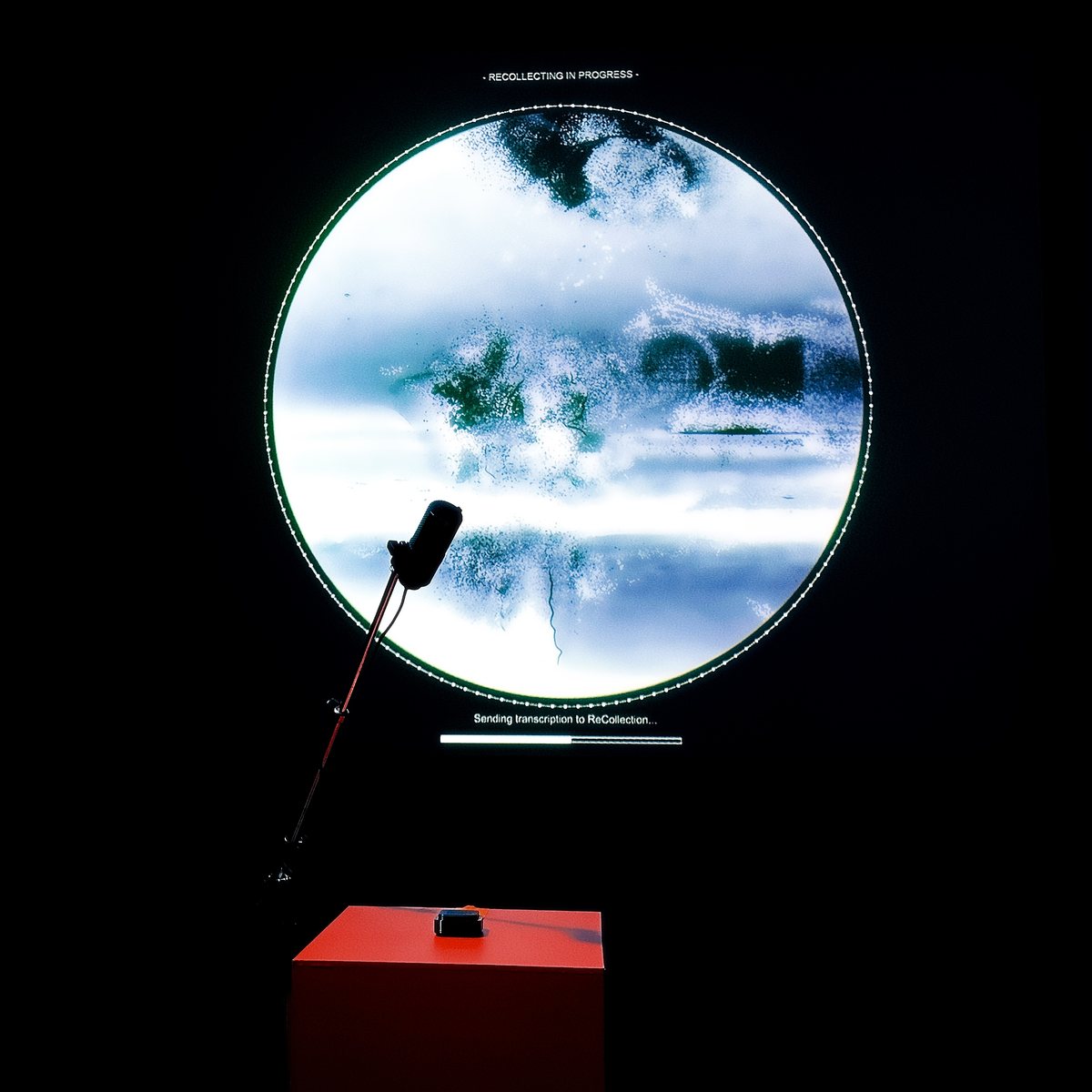
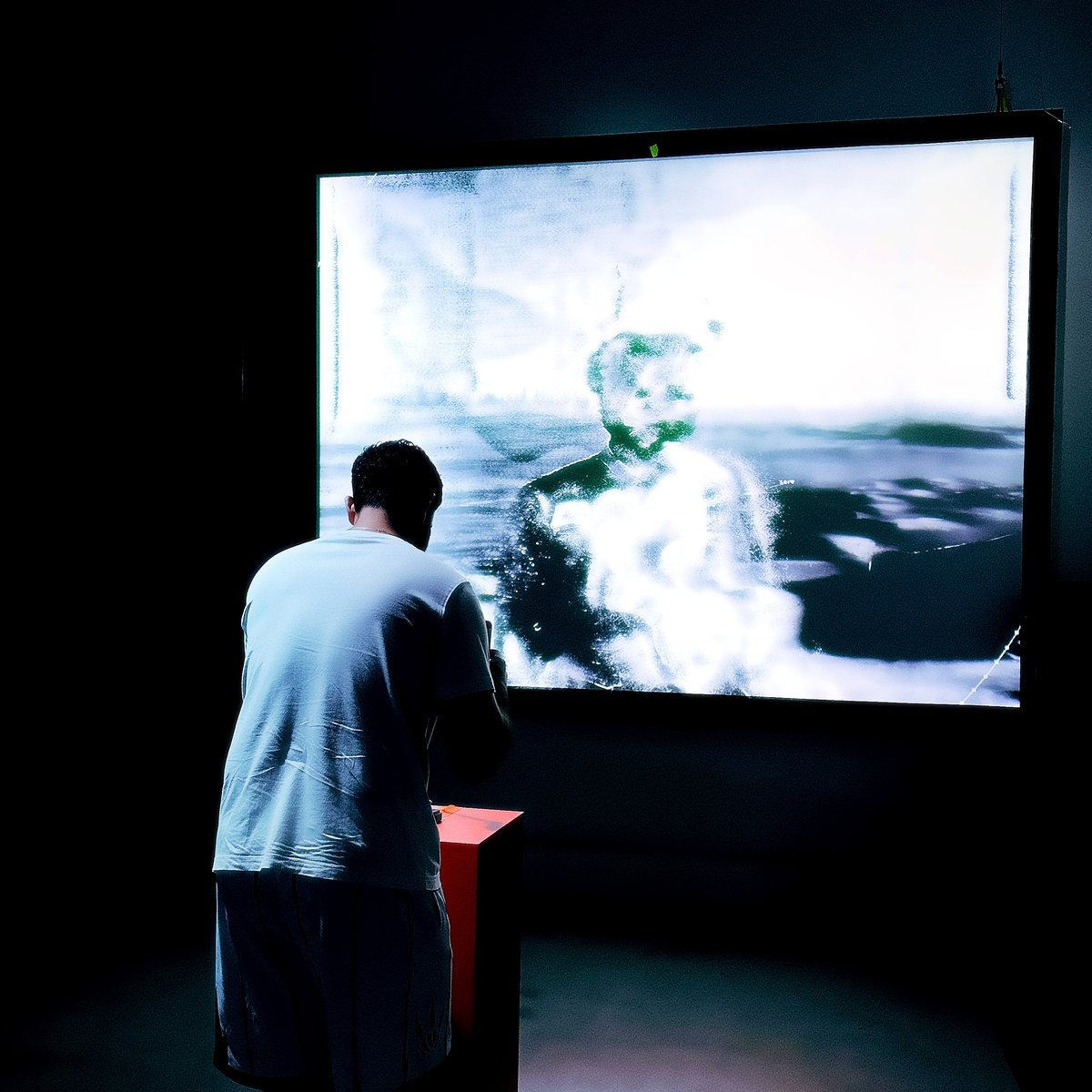
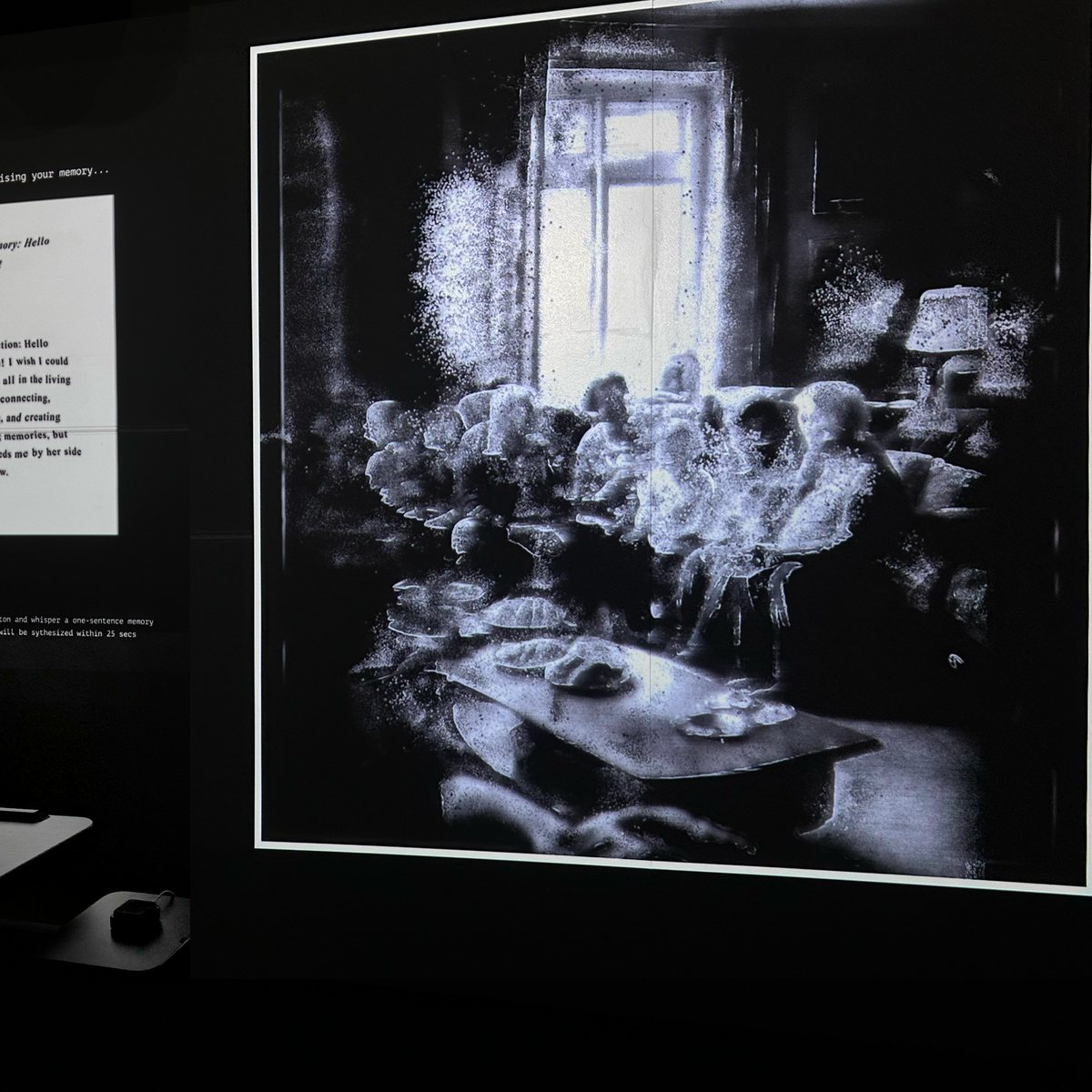
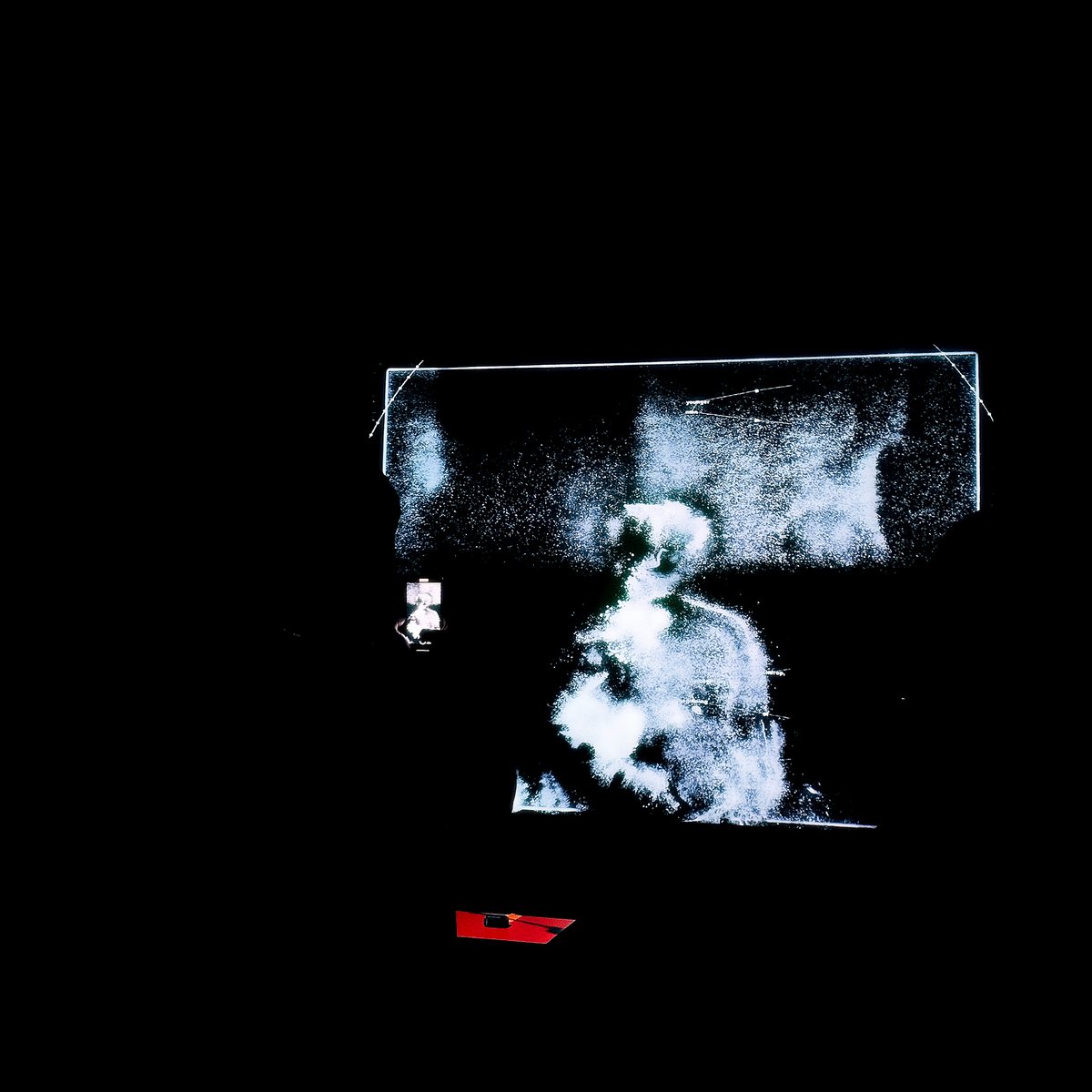
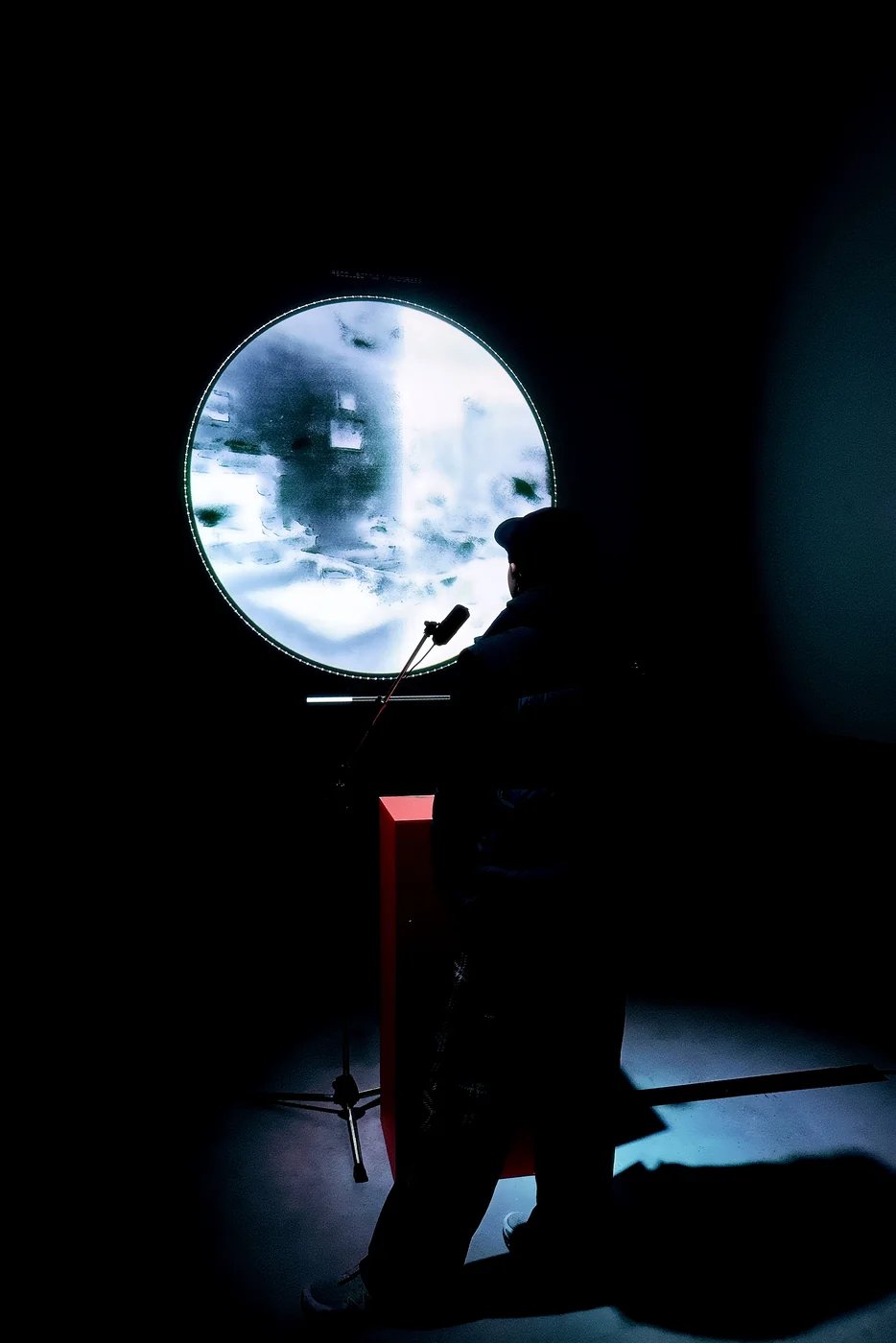
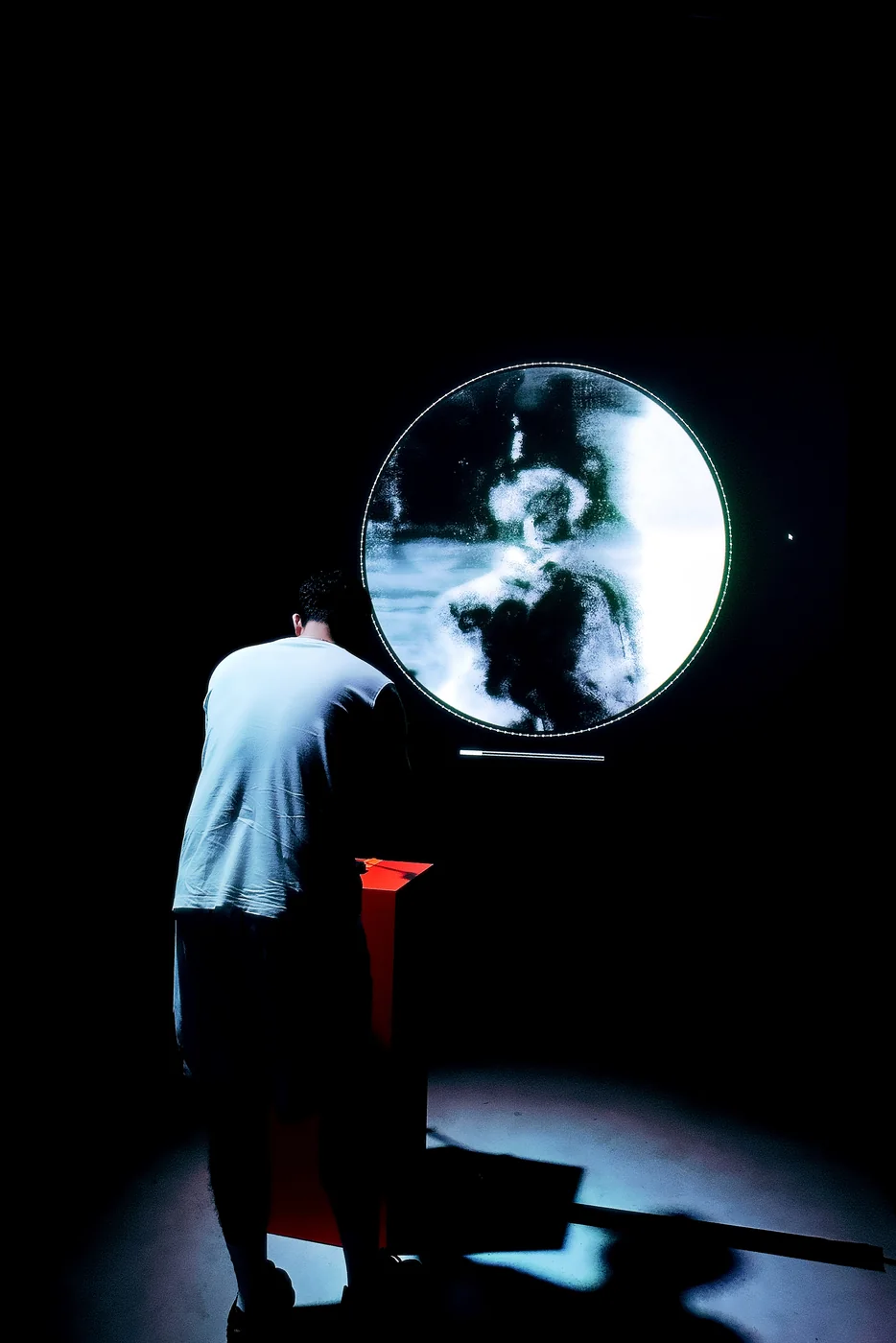
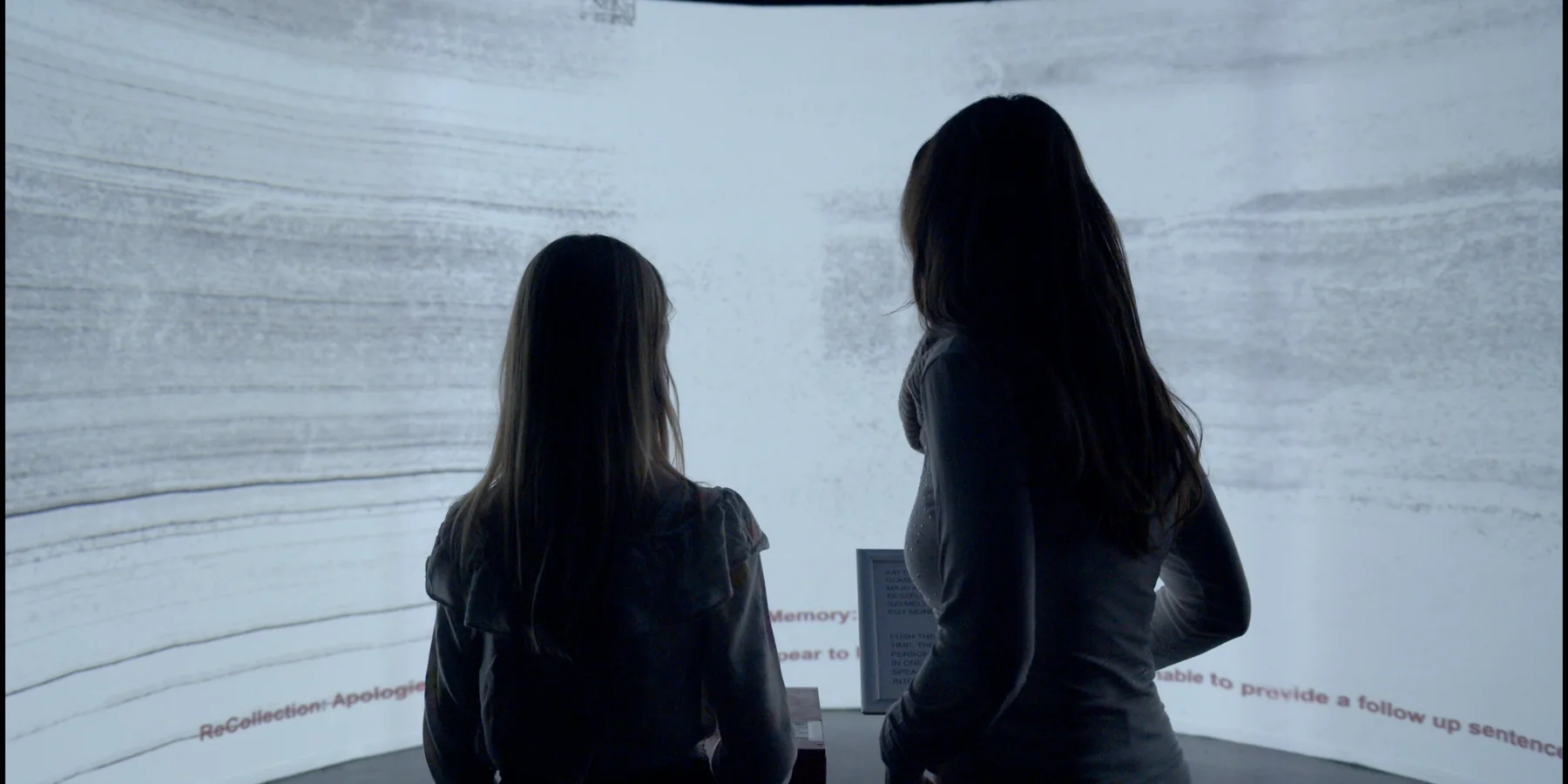
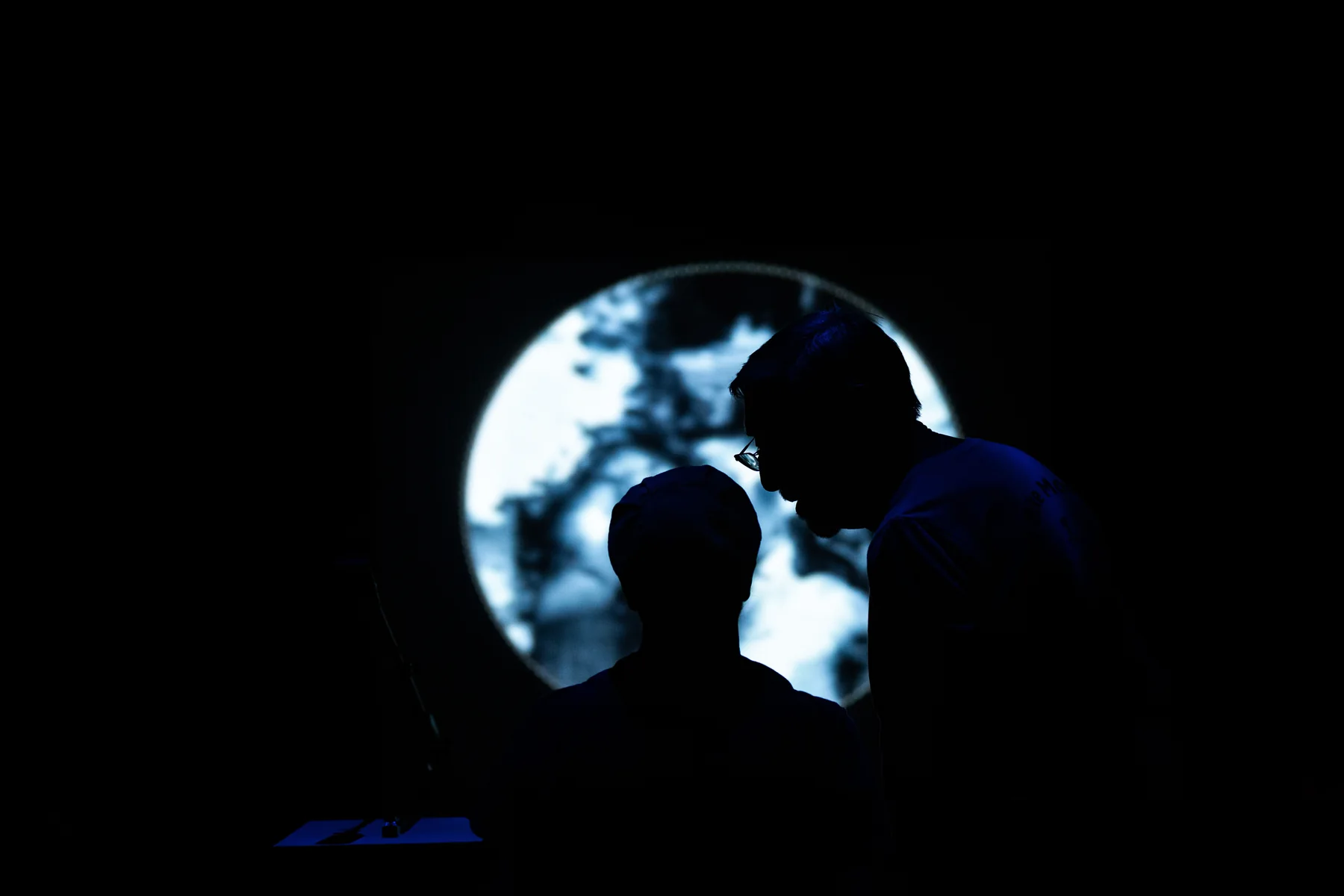
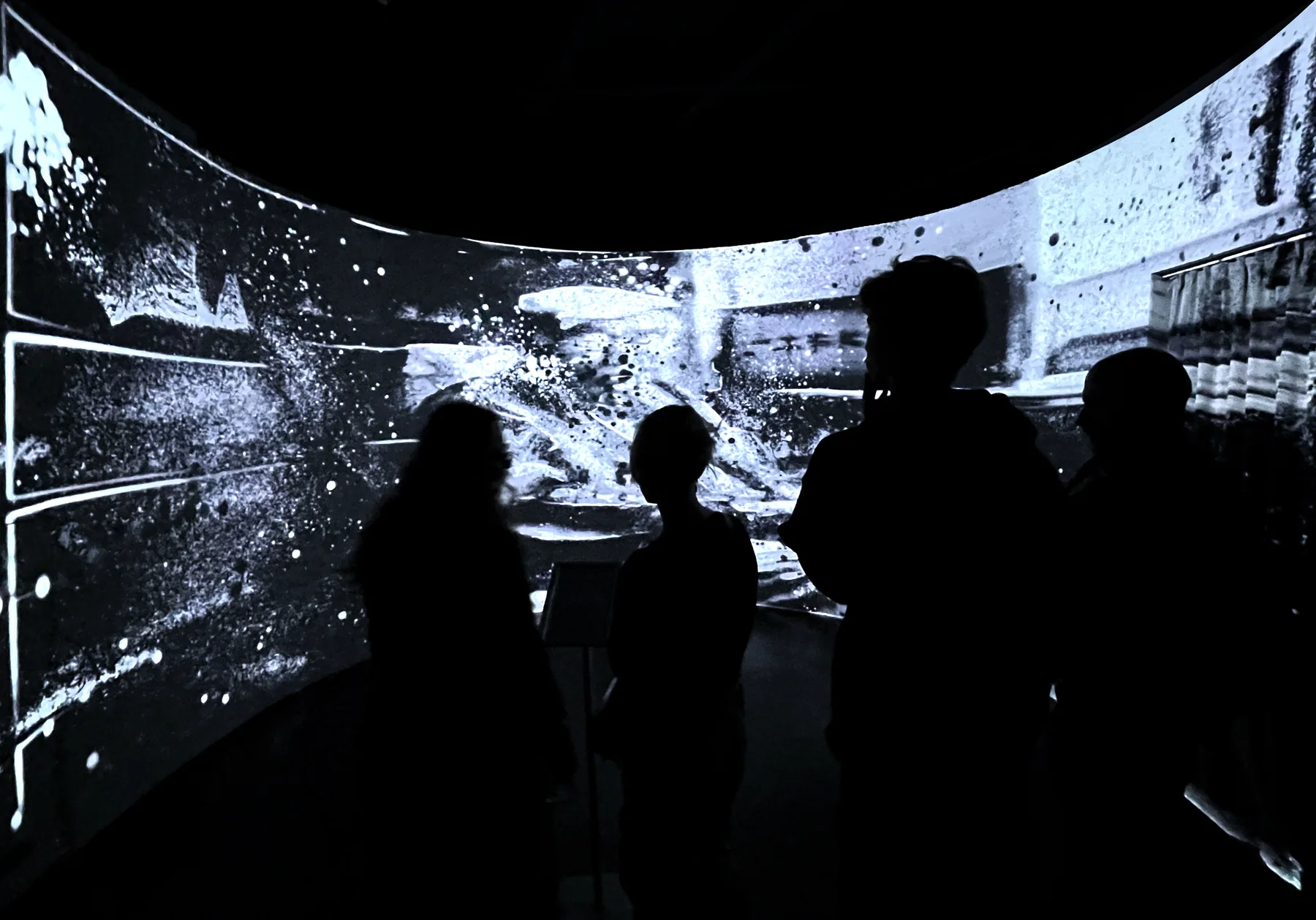
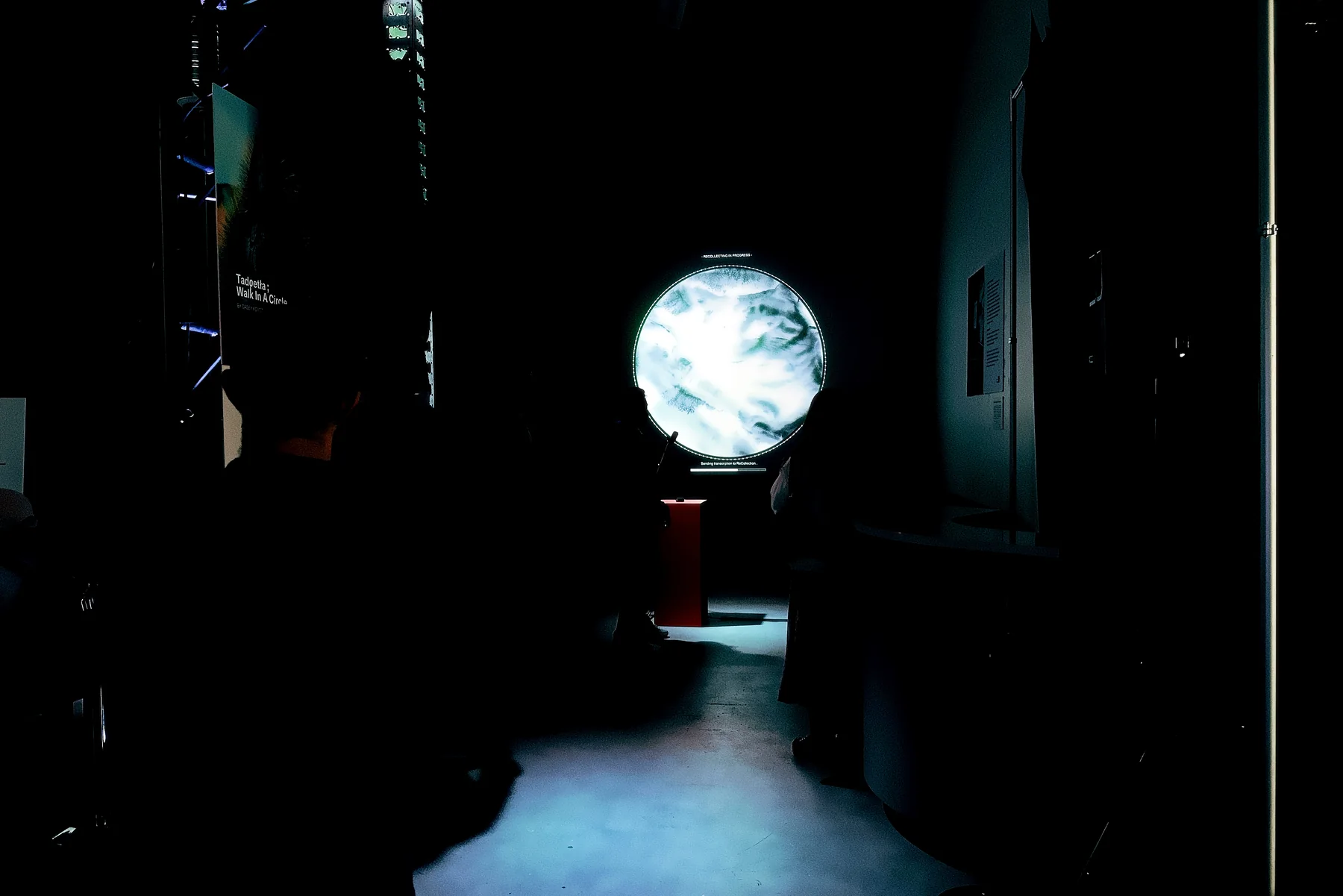
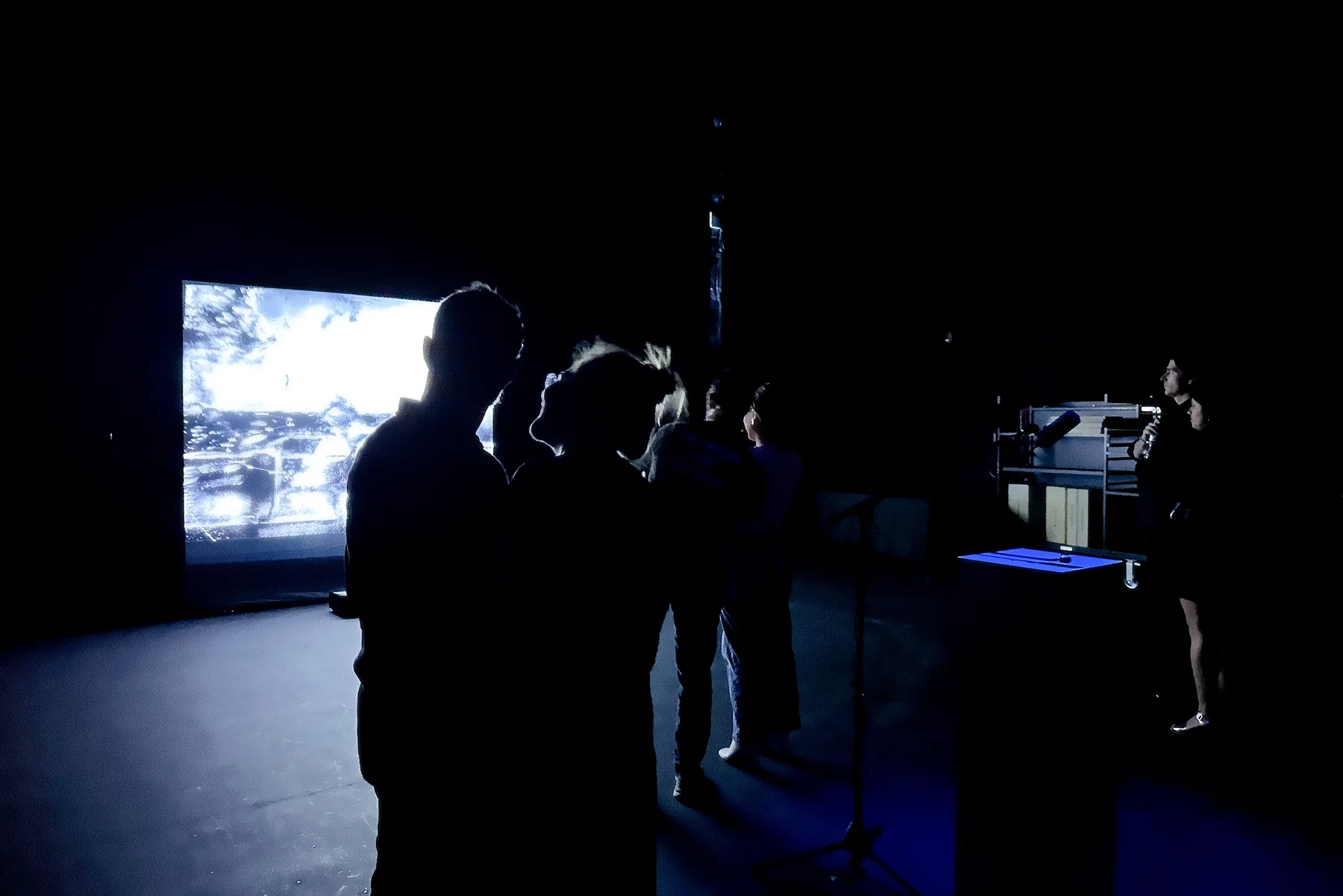
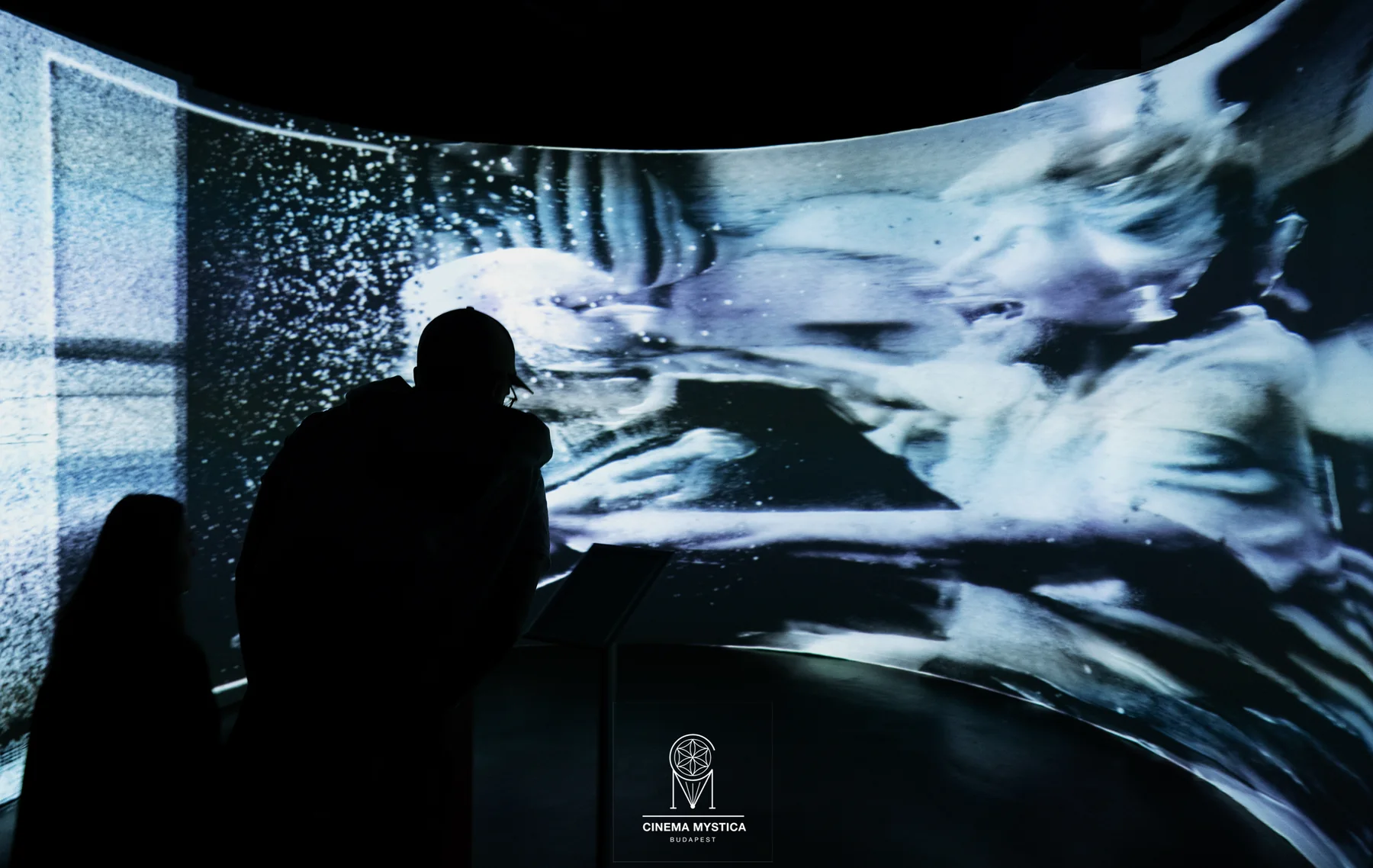
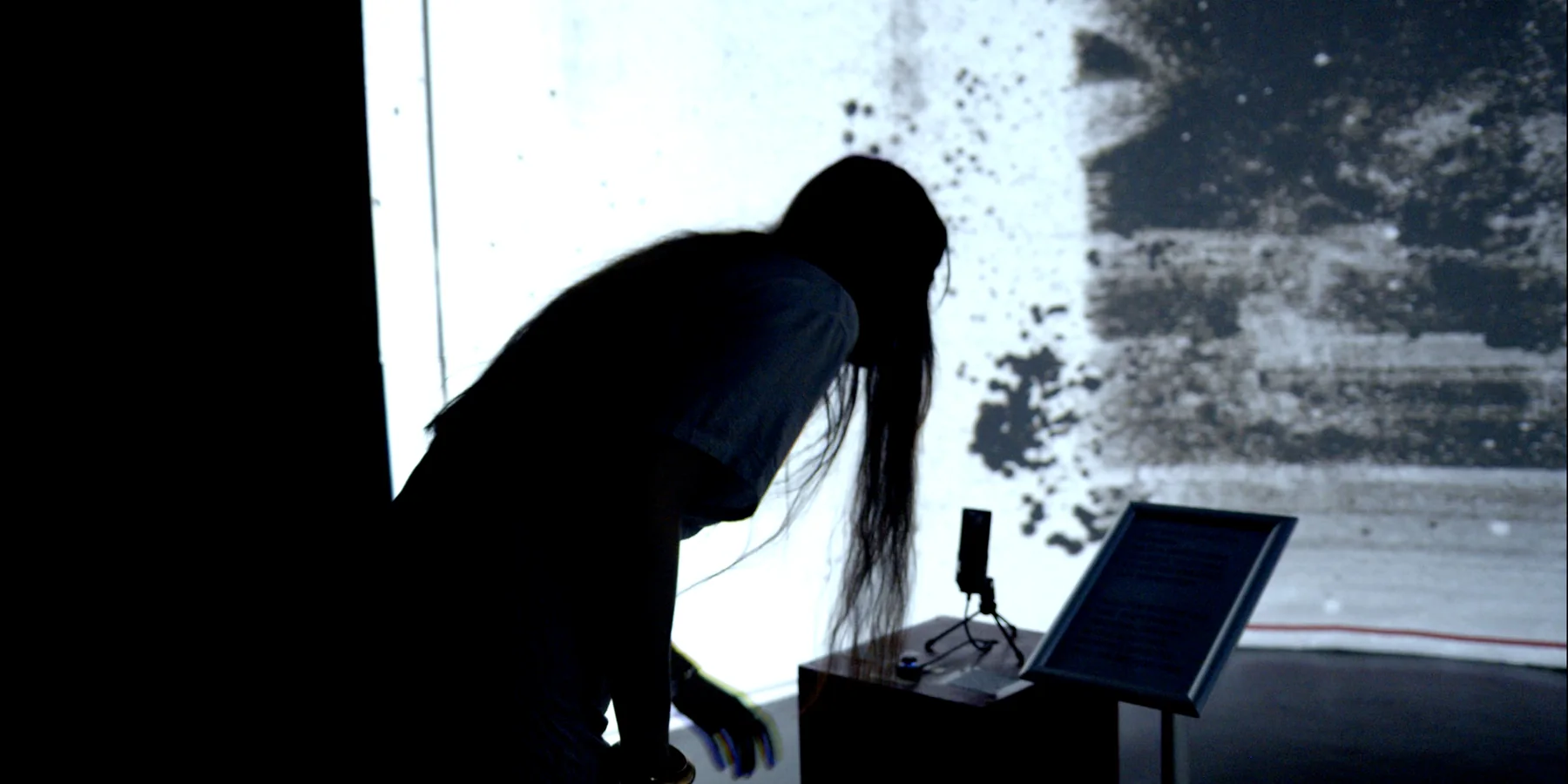
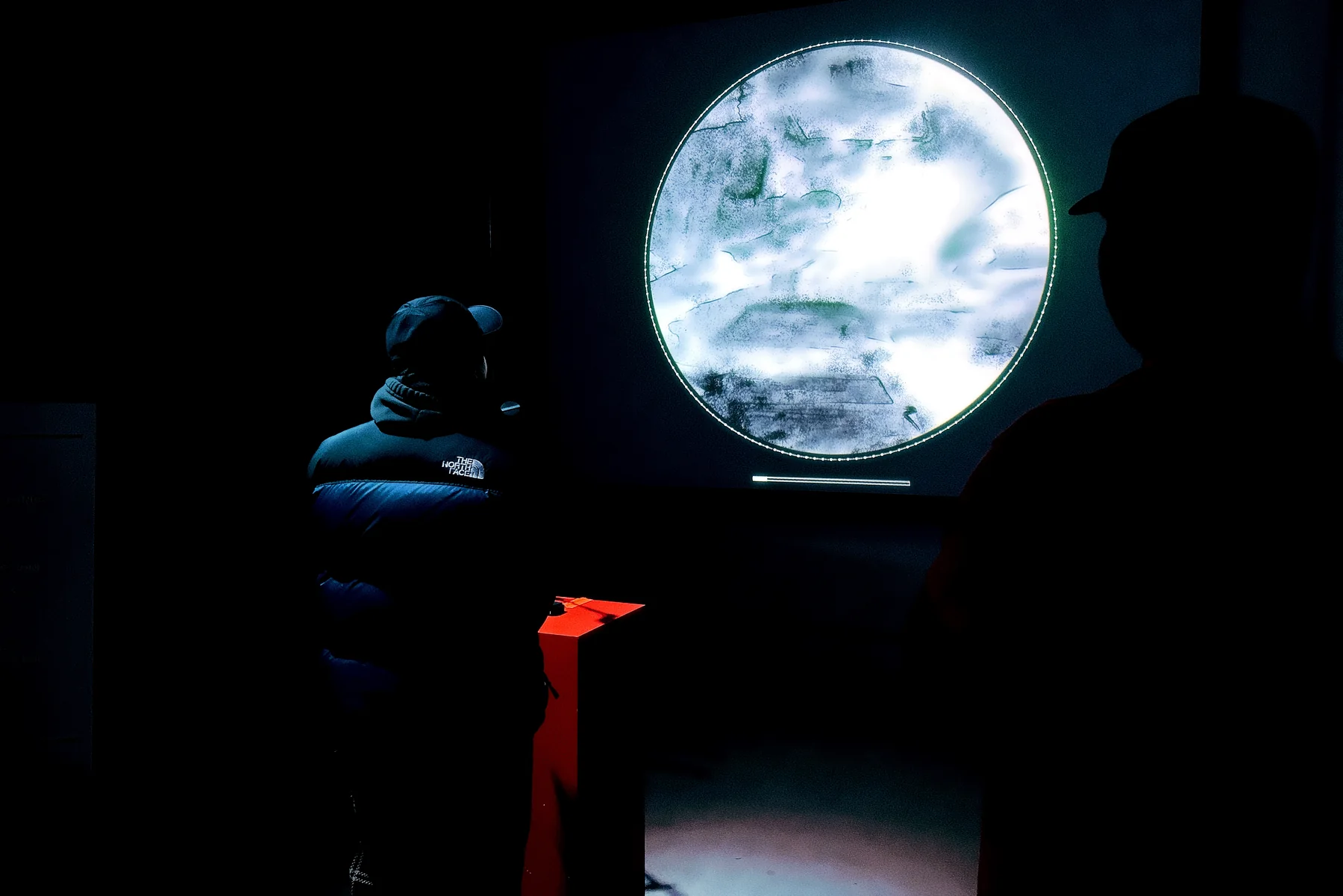
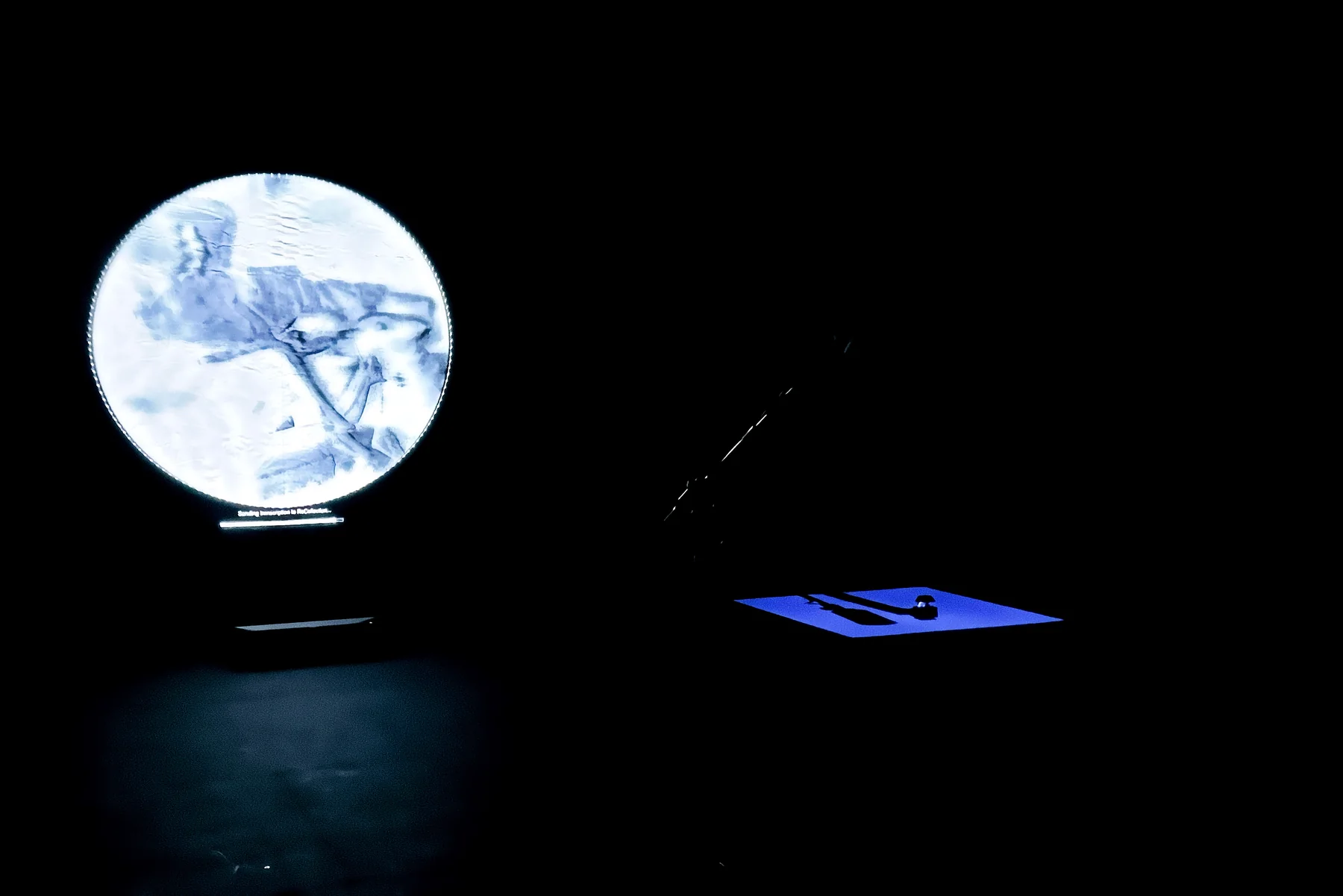
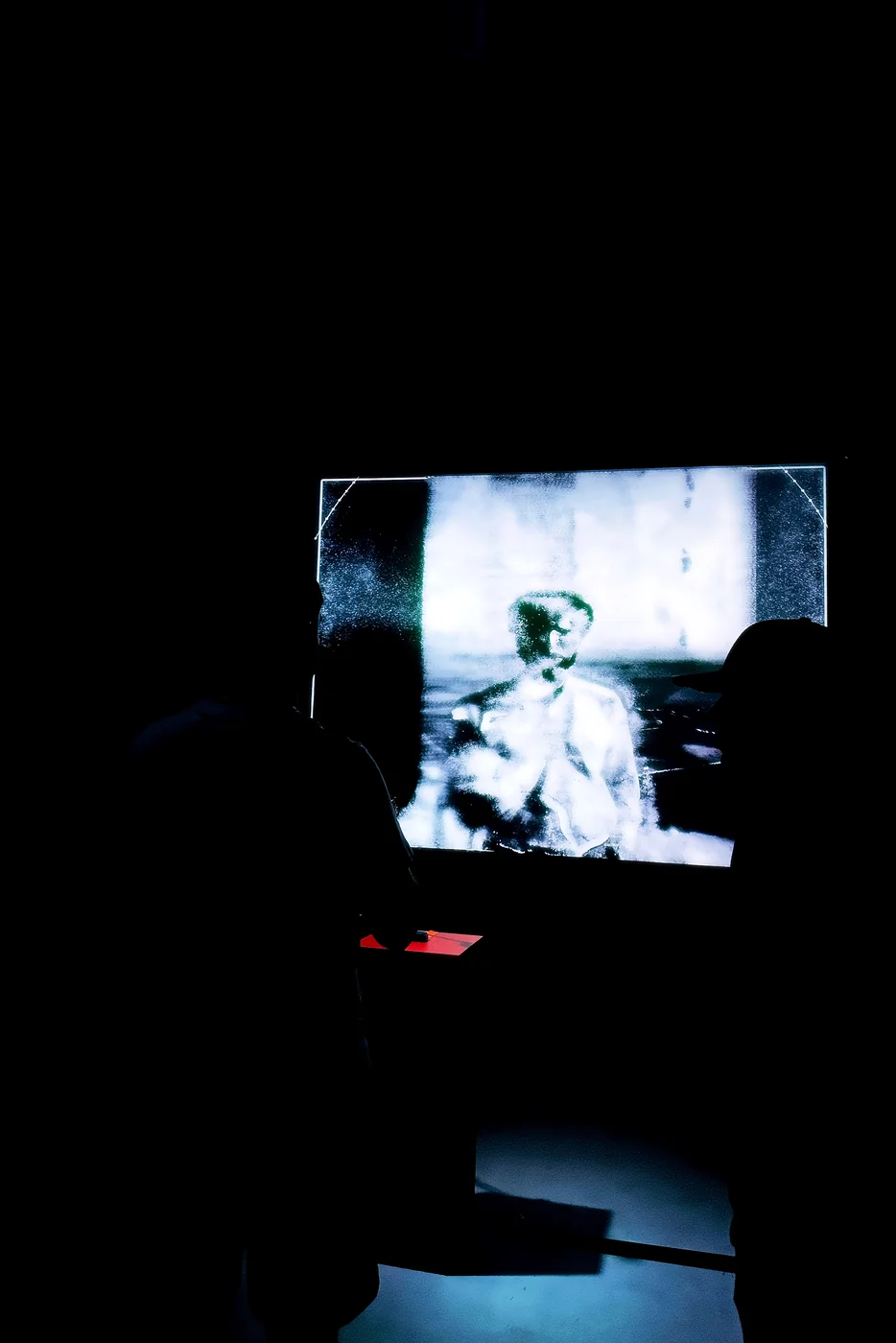
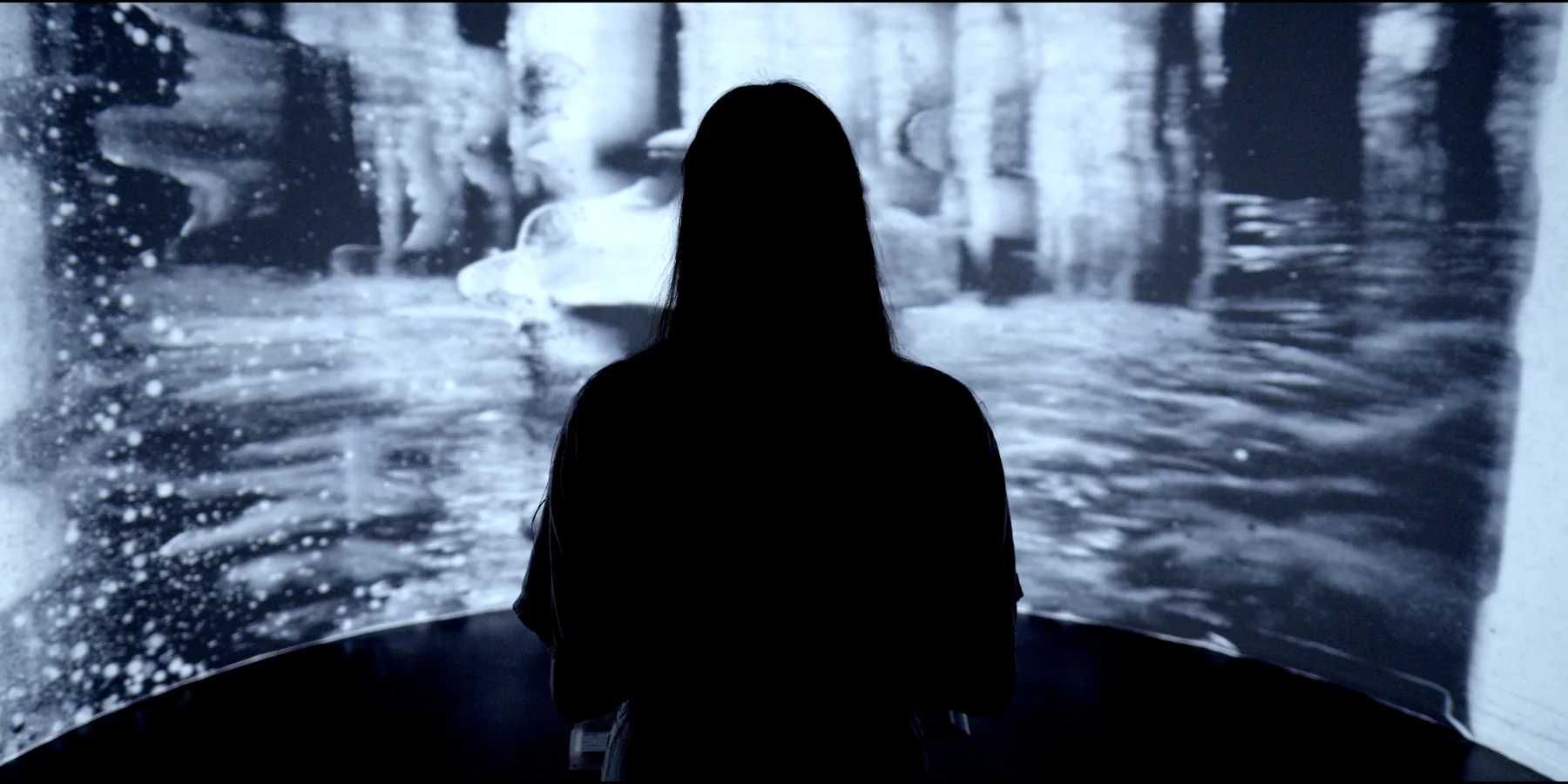
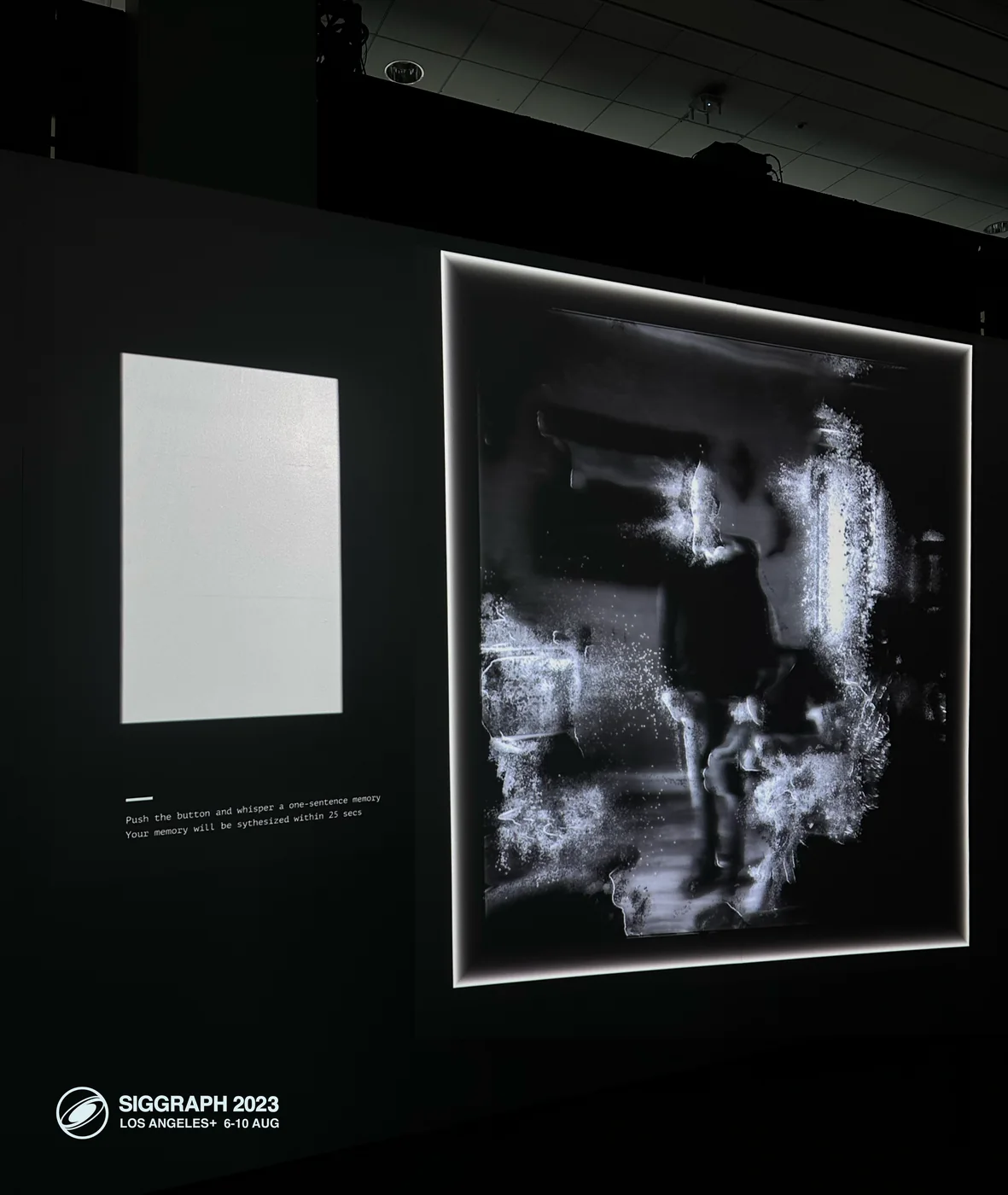
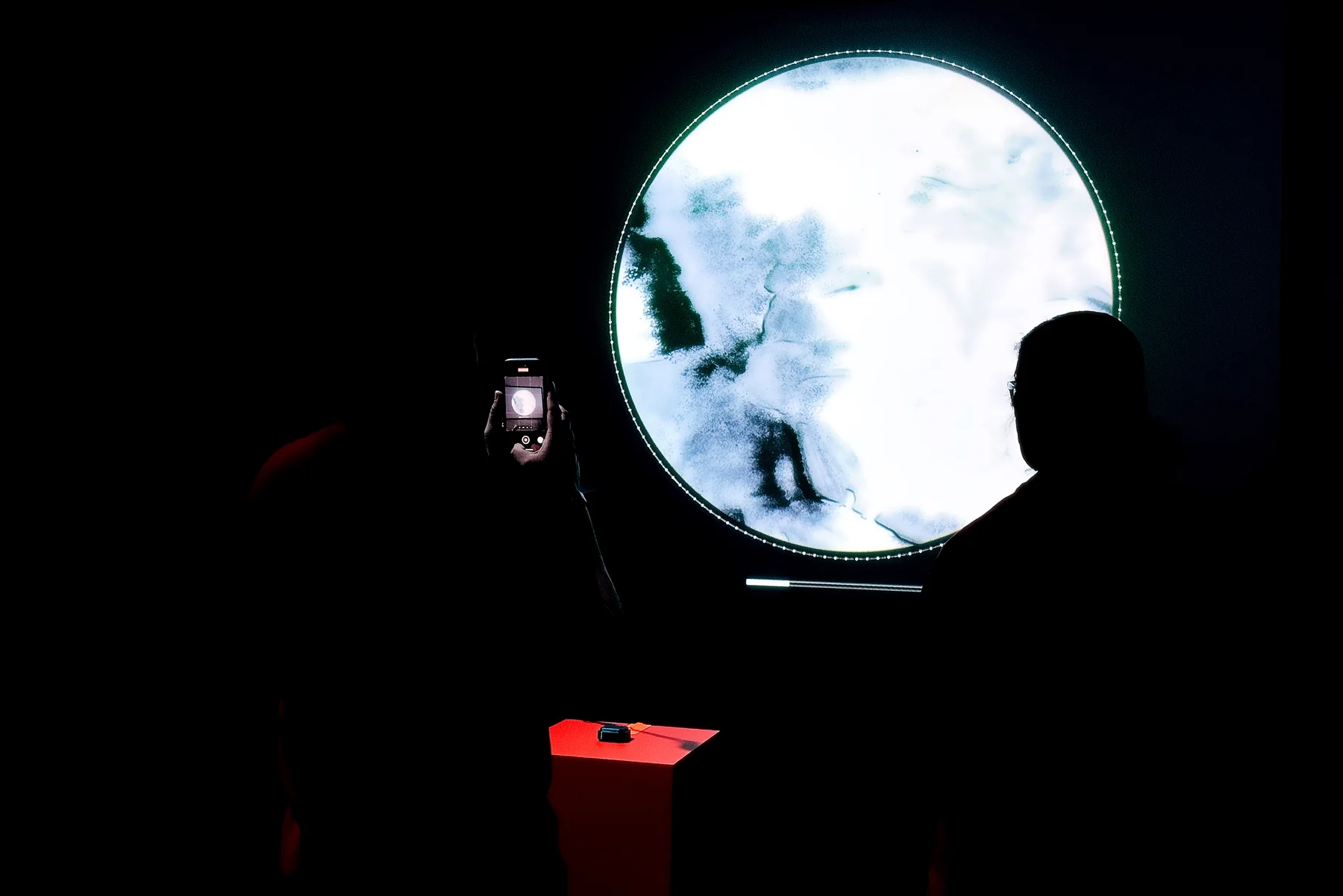
Each memory begins with a whisper.
How it works
-
01
Whisper
Seven seconds, in fragments. A memory that is already slipping.
-
02
Listen
Speech recognition turns the whisper into text, in any of 89+ languages.
-
03
Complete
A language model finishes the sentence, the way memory fills its own gaps.
-
04
Imagine
Text becomes an image sequence that prints, dissolves, and reprints over time.
Research
More than 55 million people live with dementia worldwide, with nearly 10 million new cases each year. ReCollection is not a treatment. It is a way of asking what remembering becomes when a machine does it with us. Source: WHO
- Q1
What does a memory become when a machine completes it?
A whisper is a fragment. The system finishes the sentence and renders it. Is the result a memory, an image of one, or something new?
- Q2
Can a synthetic memory serve reminiscence without pretending to be true?
For people losing memory, the value may lie in the act of recalling, not in accuracy. Where is the line between comfort and fabrication?
- Q3
Whose memory is a collective memory?
Thousands of whispers in 89+ languages, blended into shared images. What identity forms when private recollections are reproduced as culture?
- Q4
What do participants owe, and what are they owed?
Consent to record, to transform, to show. What should a work like this promise the people whose memories it holds?
Exhibitions / recognition / press
A work in motion.
ReCollection has moved through galleries, festivals, and conversations around the world. The map traces the installation’s travels and the places connected to its recognition and coverage.
Swipe the map to follow the route →

Karlsruhe
ZKM Center for Art and Media · 2026–2027
The route connects exhibition sites; order within a year is schematic. Award markers indicate the award location, press markers the publication’s home country. Asia Pacific Design uses a regional marker. ISEA was online; CVPR was a shortlist selection. Karlsruhe is on view through 21 February 2027.
Also along the way
Recognition & coverage
World outline: Natural Earth.
Partners & support

- MIX CenterMedia & Immersive eXperience · Arizona State University

Get involved
Bring ReCollection to your museum, your city, or your research.
Exhibit the work
The work began in 2022 and has travelled internationally.
Collaborate on research
Memory, dementia care, cultural identity, the ethics of synthetic recollection: we are open to partners who want to study the work with us.
Press & talks
Stills, the documentary, and the artists are available for press, festivals and lectures.